 Skip to content
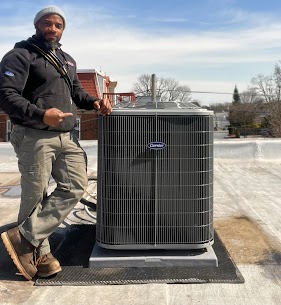
Commercial HVAC systems in Havertown need seasonal attention because the area swings between humid, 90-degree summers and freezing winters, putting equipment through two extreme demand periods every year. The core answer to how to maintain a commercial HVAC system here is simple: change filters on a set schedule, get a professional tune-up before summer and before winter, keep coils and drains clean, and don’t wait for a breakdown to call someone. Businesses that follow this rhythm typically see lower energy bills, fewer emergency repairs, and equipment that lasts years longer than systems left on autopilot.
If you’ve run a business in Havertown for more than a year or two, you already know the weather doesn’t do anything halfway. One month your rooftop unit is fighting 90-degree humidity that feels like a wet towel, and a few months later it’s trying to keep a furnace running through a hard freeze. That back and forth is exactly why commercial HVAC equipment here needs more thought than “call someone when it breaks.” A local HVAC maintenance service in Havertown isn’t a luxury add-on; it’s what keeps your system from working overtime and burning through its lifespan early.
Here’s the thing most property managers don’t realize until it’s too late: your HVAC system doesn’t fail all at once. It degrades slowly, a dirty filter here, a loose electrical connection there, a coil that hasn’t been cleaned since last spring. None of these things shut your building down on their own. But stack them together during a July heat wave or a January cold snap, and suddenly you’ve got a compressor straining, a tenant complaining, or worse, a full system failure on the one week you can least afford it.
So why maintain commercial HVAC on a real schedule instead of waiting? Because reactive repairs almost always cost more than proactive care, both in dollars and in disruption. A blocked condensate drain that gets caught in a routine visit is a five-minute fix. That same clog, left alone through a humid Havertown August, can turn into water damage, mold growth, and a system that shuts itself down mid-shift. If you’re weighing whether a seasonal service plan is worth it, that’s really the comparison: a scheduled visit versus an unscheduled emergency call. For businesses looking for heating and air conditioning service near Havertown, this is usually the first thing worth locking in, not the last.
If your commercial HVAC system hasn’t had a real seasonal check-up recently, or you’re not sure when the last one happened, it’s worth getting ahead of it before the next heat wave or cold snap hits. Boyle Energy works with businesses throughout Havertown, Delaware County, Chester County, Montgomery County, and Philadelphia to keep commercial systems running the way they should year-round. Reach the team directly at +1 610-595-4685 to talk through a maintenance schedule that fits your building.
Let’s get specific about what actually needs attention through the year, because “maintain your HVAC system” is vague until you break it down.
1. Check and Replace Filters
Filters should be checked monthly and changed roughly every one to three months depending on how much traffic your building sees. Restaurants, medical offices, and retail spaces with heavy foot traffic usually need filters swapped more often than a quiet office suite.
2. Clean HVAC Coils
Coils, both evaporator and condenser, need periodic cleaning. Dust and grime on a coil force the system to run longer to hit the same temperature, which shows up directly on your energy bill.
3. Inspect Electrical Connections
Electrical connections should be tightened and voltage checked during every professional visit. Loose connections aren’t just an efficiency problem; they’re a safety issue and a common cause of premature component failure.
4. Clear Condensate Drains and Pans
Condensate drains and pans need to stay clear. A clogged drain in humid weather is one of the most common causes of indoor water damage in commercial buildings.

5. Inspect Belts, Bearings, and Motors
Belts, bearings, and motors need lubrication and inspection on a quarterly basis if your system runs long hours, which most commercial systems do.
6. Keep Outdoor Units Clear
Outdoor units need two feet of clearance from leaves, mulch, and landscaping, especially heading into fall when Havertown’s tree cover starts shedding.
7. Review Thermostat Schedules
Thermostat schedules should be reviewed seasonally, particularly after daylight saving changes, holiday closures, or any change in your building’s actual operating hours
If your team is handling this in-house without a documented schedule, it’s worth asking honestly whether it’s actually happening on time or just getting pushed to “next week” repeatedly. That’s usually where an HVAC tune-up near Havertown earns its cost back fast, with a technician who shows up on a set calendar instead of relying on someone remembering.

Commercial HVAC Maintenance Checklist
Spring Prep, Before the Heat Arrives
Spring is your window to catch problems before your cooling system has to run flat out. This is when a technician checks refrigerant levels, tests the compressor under load, cleans coils that collected dust over the winter, and confirms the thermostat is actually switching modes correctly. Skip this step, and you find out about a refrigerant leak in the middle of a heat wave, which is the worst possible time for both comfort and cost.
Summer maintenance, keeping up through the heat
During peak summer months, the main risks are overworked compressors, refrigerant issues, and humidity control problems. Keep an eye (and an ear) out for unusual noises, weak airflow from vents, or spaces that feel humid even when the temperature reads fine. Those are early signs worth flagging rather than ignoring until the system quits on the hottest day of the year.
Fall prep, before the cold sets in
Fall is when you shift focus to the heating side. A technician inspects the heat exchanger, tests ignition and burner components on furnaces, checks for cracked or frozen condensate lines waiting to happen, and clears any leaves or debris from outdoor units. This is also a smart time to verify insulation and duct integrity, since a leaky duct undermines even a perfectly tuned furnace. If you’ve been putting off a proper HVAC maintenance service heading into the colder months, this is genuinely the season to stop putting it off, since a mid-winter furnace failure in a commercial space is a much bigger problem than a scheduled fall inspection.
Winter maintenance, staying ahead of the freeze
Winter is unforgiving on equipment that wasn’t checked beforehand. Frozen condensate lines, ice buildup near rooftop units, and heat exchanger issues are the most common commercial HVAC problems Havertown businesses run into during a hard freeze. Regular filter checks still matter here too; a clogged filter restricts airflow just as much in January as it does in July, and it makes your furnace work harder to compensate.
None of this needs to be complicated, and it doesn’t need to fall entirely on your shoulders either. If you’d rather have a set calendar of visits than try to remember every seasonal task yourself, Boyle Energy handles this kind of scheduled commercial HVAC care across Havertown and the surrounding Delaware, Chester, Montgomery, and Philadelphia County areas. A quick call to +1 610-595-4685 is usually enough to get a seasonal plan set up that matches how your building actually runs, rather than a generic checklist.
Frequently Asked Questions
- How often should a commercial HVAC system be serviced?
Most commercial systems should get a professional inspection at least twice a year, once in spring before cooling season and once in fall before heating season. Buildings that run equipment longer hours, like restaurants or medical facilities, often benefit from quarterly check-ins instead. - What happens if you don’t maintain a commercial HVAC system?
Skipping maintenance usually leads to higher energy bills first, then reduced comfort, then eventually a breakdown or costly repair. Small issues like a dirty filter or a loose connection compound over time and shorten the equipment’s overall lifespan. - How much does commercial HVAC maintenance typically cost?
Costs vary based on system size, number of units, and how often service is scheduled, since a single rooftop unit costs less to maintain than a multi-zone system across a large building. Most businesses find a maintenance plan costs far less over a year than paying for emergency repairs and lost operating time. - Can dirty air filters really affect my energy bill?
Yes. A clogged filter restricts airflow, which forces the system to run longer and harder to reach the same temperature, and that shows up directly as higher energy use on your bill. - Why does my commercial HVAC system struggle more in summer than winter?
Humidity plays a big role. Havertown summers combine high heat with high moisture, which means the system isn’t just cooling air; it’s also working to pull moisture out of it, putting extra load on the compressor. - Is preventive maintenance actually cheaper than reactive repairs?
In almost every case, yes. A scheduled visit catches small problems, like a clogged drain or a worn belt, before they turn into an emergency call, a shut-down system, or water damage that costs far more to fix. - Do commercial and residential HVAC systems need different maintenance?
The basic tasks overlap: filters, coils, drains, electrical checks, but commercial systems usually run far more hours per week and often serve multiple zones or units, so they typically need more frequent professional attention than a home system. - What’s the biggest mistake businesses make with HVAC maintenance?
Waiting until something breaks instead of scheduling seasonal check-ups. By the time a system fails outright, you’re usually looking at a bigger repair bill and unplanned downtime that a routine visit would have caught months earlier.

Patrick Boyle brings over three decades of expertise to Boyle Energy, carrying forward a family legacy that began with his grandfather, Joseph Boyle Sr., the company’s founder. With extensive technical proficiency, Patrick holds advanced certifications in both oil and HVAC systems, ensuring the highest standards of service and performance. Additionally, he is recognized as an NPGA-certified propane service professional, underscoring his commitment to safety and industry best practices. Under his leadership, Boyle Energy continues to deliver reliable and efficient energy solutions, grounded in generations of trust and innovation.
