 Skip to content
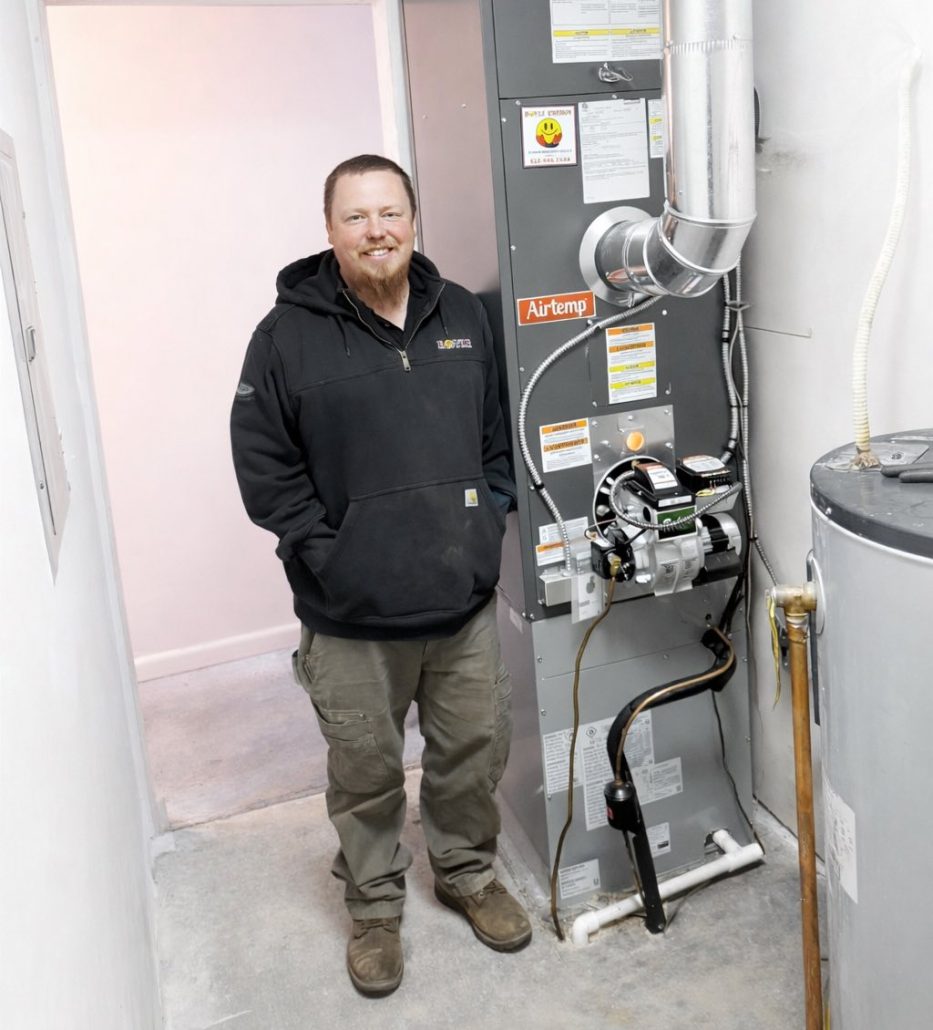
A professional furnace tune-up includes a full inspection of the heat exchanger, burners, and electrical connections, a cleaning of the blower and filter, lubrication of moving parts, and a combustion safety test. Oil-fired systems also get a new nozzle, oil filter, and a combustion efficiency check. Most tune-ups take about an hour and typically run between $80 and $300 depending on fuel type and scope. Scheduling one every fall keeps a furnace safer, more efficient, and less likely to quit on the coldest night of the year.
What Is a Furnace Tune-Up, Exactly?
If you’ve never had one done, it’s fair to wonder what is a furnace tune up actually supposed to accomplish beyond swapping a filter. It’s really a full checkup for your heating system. A licensed technician comes out, opens up the unit, and works through the components one by one, checking, cleaning, testing, and adjusting anything that’s drifted out of spec since last season. Think of it the same way you’d think of an oil change and inspection for your car. Nothing might be visibly wrong, but small wear and tear adds up, and catching it early is a lot cheaper than dealing with a breakdown in January.
What Does a Furnace Tune-Up Include? Step by Step
Homeowners ask us all the time exactly what does a furnace tune up include, and honestly the answer varies a little by fuel type, but here’s the core checklist a thorough visit covers for a typical Havertown home. Whether you’re on a maintenance plan or booking a one-off appointment for oil furnace service, this is roughly what your technician should be doing while they’re there.
- Full visual inspection of the furnace cabinet, heat exchanger, and venting for cracks, corrosion, or soot
- Cleaning of the burners, blower wheel, and combustion chamber
- Filter inspection and replacement or cleaning
- Testing of safety controls, including the limit switch, flame sensor, and pressure switch
- Carbon monoxide check with a combustion analyzer
- Lubrication of the blower motor, bearings, and belts
- Tightening and inspection of electrical wiring and connections
- Thermostat calibration and a full system cycle test
None of this is glamorous work, and most of it takes a trained eye to spot, which is part of why an annual tune-up is worth the appointment even if your furnace seems to be running fine on the surface.
Why This Matters More Here Than in a Lot of Other Places
Delco winters aren’t brutal compared to, say, upstate New York, but they’re long, damp, and unpredictable, and a lot of the housing stock across Havertown, Wayne, and the surrounding Delaware, Chester, and Montgomery County neighborhoods is older. Older homes tend to mean older furnaces, older ductwork, and in a lot of cases, oil heat rather than gas. If your system ever needs work beyond a routine visit, you want a company that actually knows local systems, not just a name that shows up first when you search oil furnace repair Philadelphia. The difference between a technician who’s serviced hundreds of oil furnaces in this exact climate and one who mostly works on gas systems downtown can be the difference between a fifteen minute fix and a repeat service call.
If you’re already noticing your system runs longer than it used to, or your upstairs never quite gets warm, this is usually the point where a quick maintenance visit turns into a broader conversation about repairs, and that’s a completely normal next step.
Boyle Energy has been servicing heating systems throughout Havertown and the surrounding counties for years, and a technician can usually tell you within the first ten minutes of a visit whether you’re looking at routine maintenance or something that needs attention now. If it’s been a while since your last tune-up, it’s worth giving us a call at +1610-595-4685 before the temperature drops any further.
Oil Furnace Tune-Ups: What’s Different From Gas
Oil systems are more hands-on to maintain than gas furnaces, and there’s no way around it. Combustion by nature produces more soot and residue, so the tune-up has a few extra steps baked in. The nozzle typically gets replaced every year, not because it’s necessarily worn out, but because even a slightly dirty nozzle changes the spray pattern and throws off combustion efficiency. The oil filter gets swapped, the fuel line gets checked for sediment, and the tank gets a visual inspection for leaks or corrosion, which matters both for safety and because a leaking tank is a reportable environmental issue in Pennsylvania.
Technicians will also run a combustion efficiency test, checking CO2, CO, and flue temperature, to confirm the burner is actually dialed in correctly rather than just running. If you’re weighing whether your current setup still makes sense, a lot of homeowners around here are also asking about upgrading to a high-efficiency oil boiler furnace, since newer equipment can meaningfully cut fuel use compared to a unit that’s fifteen or twenty years old, and a tune-up is a good time to have that conversation with your technician anyway.
Signs Your Furnace Needs More Than a Tune-Up
A tune-up catches a lot, but it’s not a repair visit, and it’s worth knowing the difference. If you’re seeing any of the following, it’s time to call regardless of when your last service was.
- Short cycling, where the furnace turns on and off frequently without reaching temperature
- A burner flame that looks yellow or flickering instead of steady blue
- Unusual smells, especially anything resembling burning oil or a sharp chemical odor
- Rooms that heat unevenly even after the thermostat is set correctly
- A noticeable jump in your heating bill without a matching jump in usage
- Soot marks around vents, the furnace cabinet, or the chimney base
Any one of these on its own isn’t necessarily an emergency, but ignoring a combination of them is how a small fix turns into a full system failure at the worst possible time. This is also where a lot of homeowners realize they need more than annual maintenance, and having a reliable contact for HVAC services in Philadelphia and the surrounding suburbs on hand makes that call a lot less stressful when it actually happens.
How Long a Tune-Up Takes and What It Typically Costs
A standard tune-up usually takes about an hour for a technician who knows the system, though older or more complicated setups can run longer. Pricing varies by fuel type more than almost anything else. Gas furnace tune-ups tend to fall in the $80 to $175 range, while oil furnace tune-ups usually run $150 to $300, mainly because of the extra parts replacement and combustion testing involved. It’s worth noting that skipping annual service isn’t just a maintenance risk either. A lot of manufacturer warranties actually require documented yearly service to stay valid, so putting it off can end up costing you in more ways than one if something fails down the road.
DIY Maintenance vs Calling a Pro
There’s a real place for homeowner upkeep between professional visits. Checking and replacing your filter monthly, keeping at least three feet of clearance around the unit, and paying attention to how your system sounds and smells day to day are all things you can and should handle yourself. What you can’t safely do is anything involving combustion, gas pressure, or the heat exchanger, and that’s exactly where a licensed technician earns their visit. According to ENERGY STAR, dirt and general neglect are the leading causes of heating system failure and inefficiency, and that lines up with what we see in the field constantly. It’s rarely one dramatic failure. It’s usually months of small things nobody caught.
If your furnace hasn’t been looked at this year, now’s a good time to get it on the schedule before the fall rush fills up. You can reach Boyle Energy at +1610-595-4685 to set up a tune-up or ask any questions about what your specific system needs.
Frequently Asked Questions
How often should I really get a furnace tune-up?
Once a year is the standard recommendation for both gas and oil systems, ideally scheduled in early fall before you’re relying on the furnace daily.
Can I skip a tune-up if my furnace seems to be running fine?
You can, but a lot of the issues a tune-up catches, like a cracked heat exchanger or a failing safety control, don’t show obvious symptoms until they become a real problem.
Does a dirty filter actually make a noticeable difference in my bill?
Yes. A clogged filter restricts airflow and forces the blower to work harder, which increases energy use and puts extra strain on the motor over time.
How do I know if my furnace has a carbon monoxide leak?
You typically can’t tell on your own, which is why a combustion analyzer test during a tune-up matters. A working CO detector near the furnace is also essential year-round.
Is it normal for an oil furnace to smell a little when it starts up?
A faint oil smell for a few seconds at startup can be normal, but a strong or lingering odor usually points to incomplete combustion or a leak and should be checked right away.
What’s the difference between a tune-up and a repair visit?
A tune-up is scheduled preventive maintenance covering the whole system. A repair visit addresses a specific problem that’s already showing up, like a broken part or a system that won’t start.
Will a tune-up lower my heating bill?
It can, since a properly cleaned and calibrated furnace burns fuel more efficiently, though the size of the savings depends on how neglected the system was beforehand.
Do older furnaces need tune-ups more than newer ones?
Generally yes. Older equipment has more wear on moving parts and is more likely to have drifted out of proper calibration, so annual service matters even more.
What happens if I never get my furnace serviced?
Efficiency drops gradually, wear accelerates on components like the blower motor and burner, and the risk of a mid-winter breakdown or a safety issue like a heat exchanger crack goes up significantly.
Can a tune-up void my furnace warranty if I use a different company than the installer?
No, most manufacturer warranties just require documented annual service from a licensed technician. It doesn’t have to be the original installing company, but keeping records of the service matters.

Patrick Boyle brings over three decades of expertise to Boyle Energy, carrying forward a family legacy that began with his grandfather, Joseph Boyle Sr., the company’s founder. With extensive technical proficiency, Patrick holds advanced certifications in both oil and HVAC systems, ensuring the highest standards of service and performance. Additionally, he is recognized as an NPGA-certified propane service professional, underscoring his commitment to safety and industry best practices. Under his leadership, Boyle Energy continues to deliver reliable and efficient energy solutions, grounded in generations of trust and innovation.
