 Skip to content
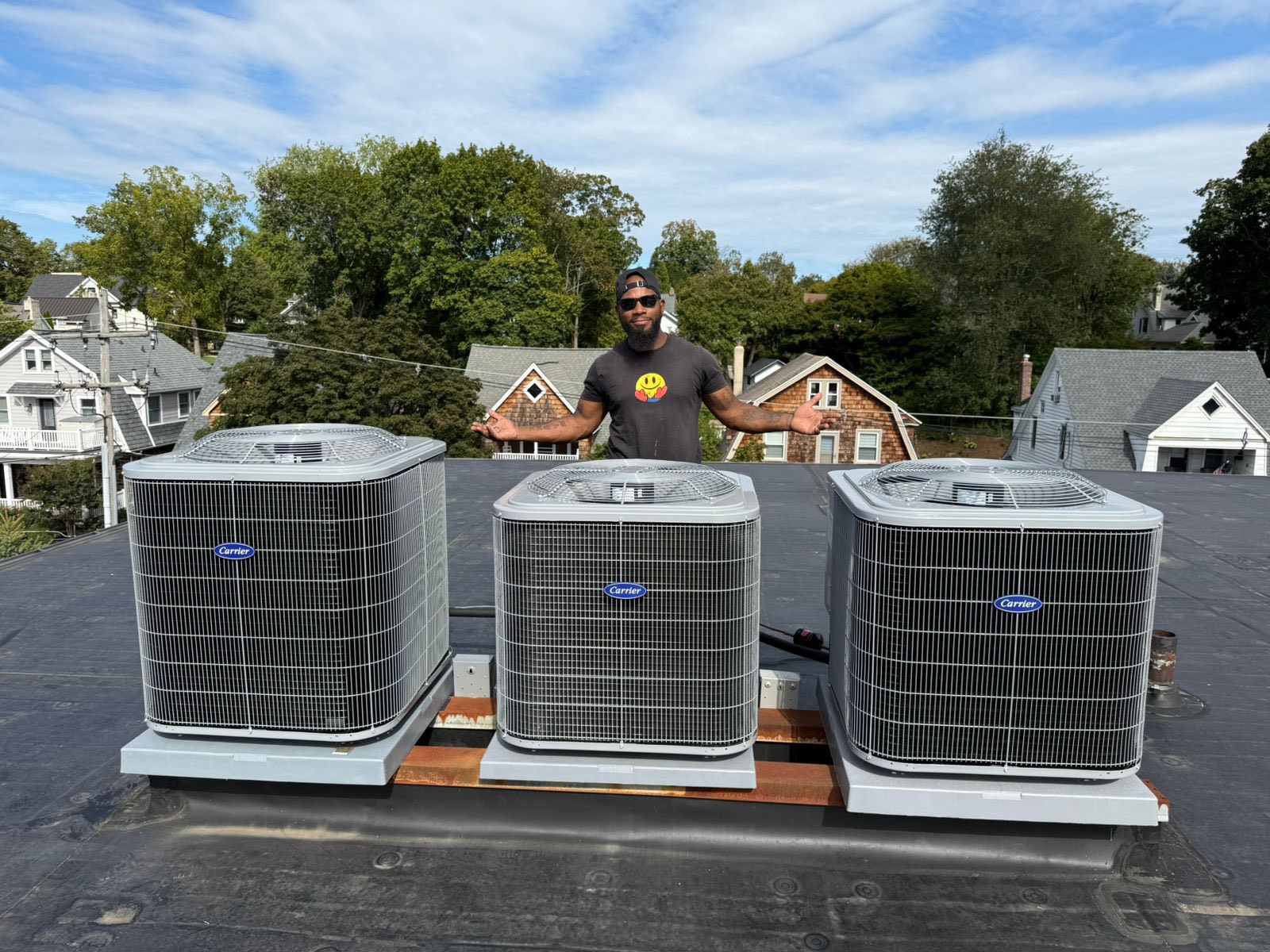
Homeowners in Havertown, PA, and surrounding Delaware County should have their HVAC systems professionally inspected twice a year, ideally in spring before the cooling season and in fall before the heating season. A proper HVAC inspection checklist covers the air filter, thermostat, electrical connections, heat exchanger, ductwork, refrigerant levels, condenser unit, flue system, and safety controls. Skipping this routine maintenance shortens system life, raises energy bills, and increases the risk of dangerous carbon monoxide exposure. Local HVAC companies serving Delaware, Chester, Montgomery, and Philadelphia counties recommend scheduling before peak season for faster availability and better pricing.
Why Havertown Homes Need to Take HVAC Maintenance Seriously
There is a version of this conversation that goes like this: “My heat works, my AC works, so why bother?” It is a fair question. But if you have lived through a Pennsylvania summer or a February cold snap in Delaware County, you already know the answer.
Havertown sits about 9 miles from Center City Philadelphia, and it experiences the full weight of the Mid-Atlantic climate. Summer highs regularly push into the 90s. Winter nights drop below freezing with real snow behind them. Your HVAC system carries the full load of both extremes, which is a much harder job than most homeowners realize. The U.S. Department of Energy estimates that heating and cooling account for roughly 40 to 48% of a typical home’s total energy use. That is almost half your utility bill, driven almost entirely by how well or how poorly your system is running.
A well-maintained system typically lasts 15 to 20 years. One that gets ignored tends to give out well before that. And when a system fails in January or August, you are not just dealing with discomfort; you are dealing with emergency service rates and whatever the repair or replacement costs are on a rush timeline.
There is also a quieter concern that does not get enough attention in conversations about heating and air conditioning service: safety. Gas and oil furnaces produce carbon monoxide as a natural byproduct of combustion. Under normal conditions, the CO exits safely through the flue. But a cracked heat exchanger, a blocked vent, or even a long-neglected air filter can change that. CO is colorless, odorless, and tasteless. By the time someone in your home notices symptoms like headaches, dizziness, or nausea, the exposure has already been going on for a while.
This is why what HVAC professionals call the hvac inspection checklist is not just paperwork. It is the difference between catching a cracked heat exchanger in October and discovering it the hard way in December.
The HVAC Inspection Checklist: What a Pro Is Actually Looking At
A serious HVAC inspection checklist covers a lot of ground. Homeowners often assume a tune-up means someone glances at the unit and changes a filter. A thorough inspection done by a qualified technician looks considerably more like this:
- Air filter inspection and replacement. This is the most impactful single maintenance task you can perform. Standard 1-inch filters need to be replaced monthly during peak season, while 4-inch media filters typically last about 3 months, sometimes less if you have pets or active renovation work. Clogged filters restrict airflow, force the system to work harder, and in worst-case scenarios can cause the heat exchanger to overheat and crack, opening the door to CO leaks.
- Thermostat calibration and testing. If your thermostat is reading temperatures inaccurately, your system is either running too long or cycling off too early. A technician tests for accuracy and, if you have an older thermostat, may recommend a programmable or smart upgrade that pays for itself relatively quickly in reduced runtime.
- Electrical connections and components. Loose or corroded connections are a fire hazard and a reliability problem. A tech checks and tightens these connections, tests voltage and amperage draws on the motors, and looks for any components that are pulling more power than they should.
- Heat exchanger inspection. This is the most safety-critical item on the list for gas and oil systems. A cracked heat exchanger allows CO to mix into the air that circulates through your home. It is also not something you can see with the naked eye under normal conditions. A technician uses specialized tools and methods to inspect it properly.
- Ductwork inspection for leaks. Duct leaks can waste up to 30% of your conditioned air, which means nearly a third of what you are paying to heat or cool is escaping into attic spaces, crawlspaces, or wall cavities before it reaches your living areas. In Havertown and surrounding Delaware County, where many homes were built decades ago, aging ductwork is a common culprit behind high energy bills and rooms that never quite reach the right temperature.
- Outdoor condenser unit cleaning and clearance. The condenser needs at least 18 inches of clear space on all sides to breathe. A gentle rinse of the coils from the inside out removes grime that forces the compressor to work harder than necessary. An overworked compressor is a compressor that fails prematurely.
- Refrigerant level check. Low refrigerant is not something a system just uses up on its own. If levels are low, there is a leak somewhere. A technician finds the source, not just tops off the charge.
- Flue and venting system inspection. For any fuel-burning system, the path that combustion gases travel out of your home needs to be clear and intact. Birds, debris, and corrosion can all compromise the flue.
- Safety controls testing. Modern furnaces have multiple safety switches designed to shut the system down if something goes wrong. Testing them confirms they will actually work when needed.
- Supply and return vent inspection. Blocked or closed vents raise static pressure throughout the system, which stresses the blower motor and creates hot or cold spots in rooms throughout the house.
If you have been searching for heating and air conditioning near Havertown and wondering what separates a quality inspection from a basic tune-up, it is whether the company is working through a list like this one systematically, not just hitting the obvious points and calling it done.
When Should You Schedule? Timing Matters More Than Most People Think
The short answer from most heating and air conditioning companies in Pennsylvania is twice a year: spring for the cooling system and fall for the heating system. There is good logic behind that timing. Scheduling during the shoulder seasons, when temperatures are mild, means technicians are more available, response times are faster, and you are not waiting in a queue behind everyone else who just discovered their AC stopped working on the first 95-degree day of June.
It also means that if something does need to be repaired or replaced, you have time. You are not scrambling in the middle of a heat wave, trying to get parts and availability aligned while your family swelters.
For Havertown specifically, fall tune-ups carry a particular priority because of how the older housing stock in the township performs under heating demand. Homes built 30, 40, or 50 years ago may have ductwork, insulation, and heating equipment that is well past its most efficient years. A fall HVAC inspection checklist run by a qualified technician will surface exactly what needs attention before the first real cold snap arrives.
If it has been a while since your system was looked at, or if you have noticed higher energy bills, uneven temperatures, or strange sounds from your equipment, this is a good time to reach out to the team at Boyle Energy. We have been serving Havertown and Delaware County since 1937, and a call to +1 610-897-7580 gets you a real conversation with HVAC technicians who know this area and these homes.
Older Homes in Havertown: A Specific Challenge Worth Addressing
One thing that distinguishes heating and air conditioning in Philadelphia and its close suburbs from newer construction markets is the age of the housing stock. Many homes throughout Havertown, Bryn Mawr, Ardmore, and surrounding Delaware County communities were built between the 1940s and 1970s. These are well-built homes with real character, but they were not designed with today’s HVAC systems in mind.
What that often means in practice is aging ductwork that was never quite the right size for modern air handlers, insulation that does not meet current standards, and in some cases, heating systems that have been limping along well past their expected lifespan. A proper HVAC inspection checklist in this context does more than just verify that everything is running. It also gives the homeowner an honest picture of where efficiency losses are happening and what the realistic remaining life of the equipment looks like.
It is not about finding reasons to replace things prematurely. A good HVAC technician will tell you honestly if a system has several solid years left in it. But it is also worth knowing before you head into winter whether your furnace is truly reliable or just probably fine.
What Homeowners Can Do Between Professional Visits
Professional inspections are irreplaceable, but there are meaningful things you can do between visits to protect your system.
- Replace or check the air filter every month during peak heating and cooling season, and at a minimum every three months in quieter periods.
- Keep the area around the outdoor condenser clear of vegetation, debris, and any stored items.
- Make sure supply and return vents throughout the house are open and unobstructed by furniture, rugs, or drapes.
- Test your carbon monoxide detectors monthly using the test button. Place at least one on every floor of the home and in the hallway outside sleeping areas. Keep them 15 to 20 feet from the furnace to avoid false alarms from normal startup cycles.
- Pay attention to your energy bills. A meaningful, unexplained spike in your monthly cost is often the first signal that your system is working harder than it should to maintain temperature.
- Listen to your system. Banging, rattling, or unusual whooshing sounds during startup or operation are worth taking seriously, not ignoring and hoping they go away.
These are simple habits, but they protect a significant investment and keep your home safe in between professional Havertown HVAC service visits.
Choosing the Right HVAC Partner in Delaware County
Not all HVAC companies operate the same way. In a region like Delaware County and the broader Philadelphia metro area, where the housing stock varies enormously and local climate demands are real, it matters who you call.
Boyle Energy has been part of this community since 1937. That is not a marketing line; it means they have serviced homes in Havertown, Chester County, Montgomery County, and Philadelphia across multiple generations of homeowners and multiple generations of HVAC technology. Patrick Boyle carries forward a family legacy that his grandfather Joseph Boyle Sr. built on honesty and dependability, and that foundation still shows in how the company operates today.
Whether you need a seasonal tune-up, have concerns about your system’s performance, or want a full HVAC inspection checklist run before the next heating or cooling season, the team is ready to help. Call Boyle Energy at +1 610-897-7580 to schedule your appointment. It is a straightforward call that can save you considerably more money and stress than it costs.
Frequently Asked Questions
- How often should I have my HVAC system inspected?
Twice a year is the standard recommendation from most HVAC professionals, once in spring before cooling season and once in fall before heating season. This timing catches problems before you need the system most and gives you time to address repairs without emergency pricing pressure. - What does a professional HVAC inspection checklist include?
A thorough hvac inspection checklist covers the air filter, thermostat calibration, electrical connections, heat exchanger condition, refrigerant levels, ductwork integrity, outdoor condenser unit cleaning and clearance, flue and venting inspection, safety control testing, and supply and return vent airflow. It is considerably more than a quick visual check. - How do I know if my HVAC system needs to be replaced or just repaired?
A common guideline is that if a repair will cost more than half the price of a new system and your equipment is already over 10 years old, replacement is likely the smarter investment. Other signs include frequent breakdowns, rising energy bills despite regular maintenance, and inconsistent temperatures throughout the home. - Why is my energy bill suddenly much higher even though nothing seems wrong with my HVAC?
An unexplained spike in energy costs is one of the first signs that a system is losing efficiency. Common causes include a dirty or clogged air filter, refrigerant loss from a leak, duct leaks wasting conditioned air, or a component like the blower motor beginning to fail. A professional inspection will identify the source. - Is it really dangerous to skip furnace maintenance? Yes, particularly for gas and oil systems. A cracked heat exchanger or blocked flue can allow carbon monoxide to enter your home. CO is odorless and colorless, making it undetectable without a working detector. Annual inspections, combined with functioning CO detectors on every floor, are a genuine safety requirement, not just a comfort preference.
- When is the best time to schedule HVAC service in the Havertown area? Spring and fall are ideal. Technicians are more available, lead times are shorter, and you avoid being in the queue during peak summer heat or mid-winter cold snaps when demand is highest and emergency pricing can apply.
- How long does an HVAC system typically last?
Most residential HVAC systems last 15 to 20 years with proper maintenance. Heat pumps tend to run closer to 10 to 15 years. Systems that are neglected, run with dirty filters, or never professionally serviced often fail significantly earlier than that. - Do I need a carbon monoxide detector if my HVAC system uses oil or gas?
Yes, absolutely. Any fuel-burning system produces CO as part of normal combustion. Under normal operating conditions, it exits through the flue safely, but equipment failure, cracks, or blockages can redirect it into your living space. Install at least one CO detector per floor of your home, and test them monthly.

Patrick Boyle brings over three decades of expertise to Boyle Energy, carrying forward a family legacy that began with his grandfather, Joseph Boyle Sr., the company’s founder. With extensive technical proficiency, Patrick holds advanced certifications in both oil and HVAC systems, ensuring the highest standards of service and performance. Additionally, he is recognized as an NPGA-certified propane service professional, underscoring his commitment to safety and industry best practices. Under his leadership, Boyle Energy continues to deliver reliable and efficient energy solutions, grounded in generations of trust and innovation.
