 Skip to content

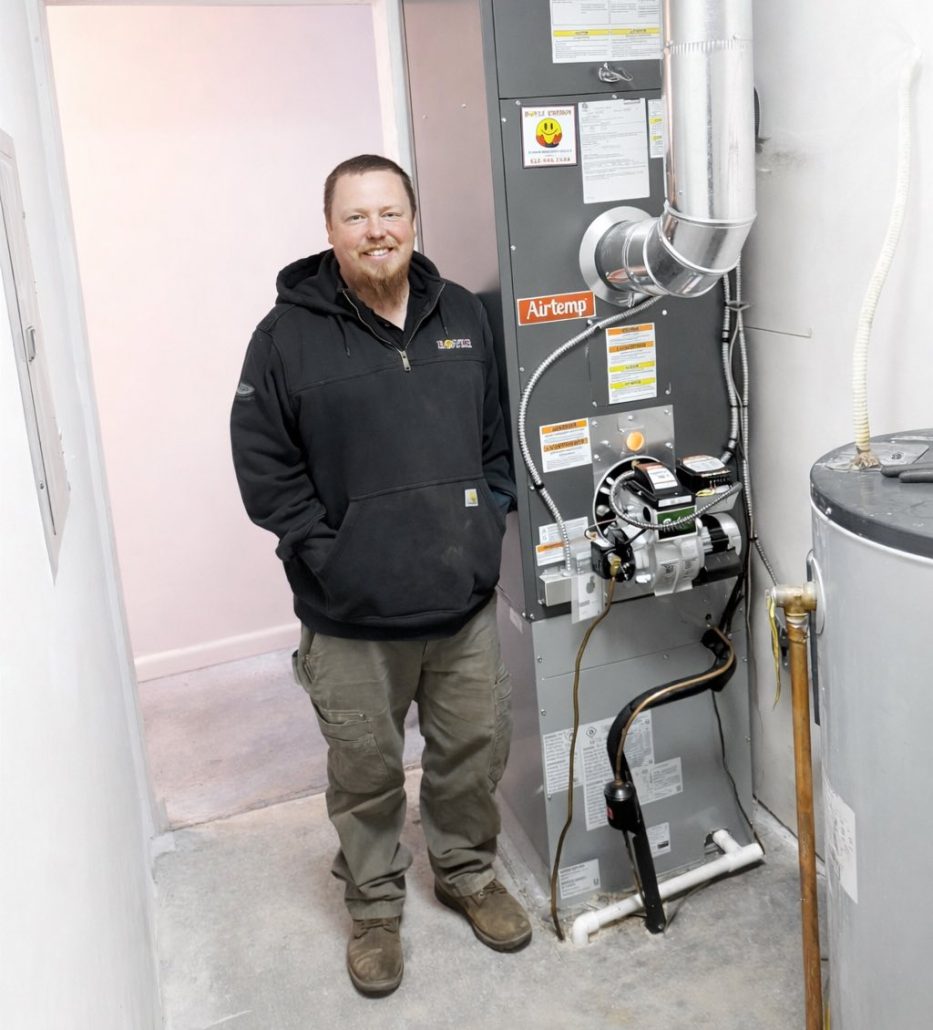
The answer to how often to replace furnace filter units in a Philadelphia area home is every 90 days at the very most, and every 60 days during the heating season for a standard 1 inch pleated filter. Cheap fiberglass filters need a swap every 30 days, while thick 4 inch media filters can go 6 months.
Check the filter once a month from October through March and replace it right away if it looks gray or blocks light. Homes with pets, allergies, or a lot of dust should not wait for the calendar. The simple rule on when to replace furnace filter media is this: if you can no longer see the filter material through the dirt, it is overdue.
What Your Furnace Filter Is Really Protecting
Most people think the filter is there to clean the air. That is a side benefit. Its first job is to keep dust, lint, and pet hair from caking onto the blower and the heat exchanger. Regular furnace filter replacement is the cheapest bit of maintenance on the whole system, and it is the one that gets skipped most, usually because the filter lives behind a grille or in a slot down in the basement where nobody ever looks.
When a filter clogs, air can’t get through it. The blower strains, rooms heat unevenly, and the furnace runs longer to reach the same temperature. In bad cases it overheats and trips its safety limit, shutting itself off in the middle of a cold night.
ENERGY STAR says a dirty filter slows airflow and makes the system work harder, and the U.S. Department of Energy says swapping a clogged filter for a clean one can cut heating and cooling energy use by up to 15 percent. Fifteen percent of a January heating bill is real money.
Why Philadelphia Area Furnaces Work Harder Than the Box Assumes
Our part of the country leans on oil more than most. The U.S. Energy Information Administration lists fuel oil as the main heat source for about 14 percent of Pennsylvania homes, against under 4 percent nationwide, and a good number of those systems sit in older houses across Delaware County, Chester County, Montgomery County, and the city itself. Plenty of homeowners who go looking for oil furnace repair in Philadelphia and the surrounding suburbs find a clogged filter and a stressed blower, while the burner turns out to be fine.

Then there is the weather. Our heating season runs from October into March, and last winter was one of the colder ones the region has had. A furnace that fires for hours a day pulls far more air through that filter than one that cycles a few times. Add a row home or older twin with leaky ductwork and decades of settled dust, and the filter loads up quickly. So how often to replace furnace filter units here is a tighter question than the box makes it sound; treat 90 days as a ceiling, not a target.
How Often to Replace Furnace Filter by Type
Start with what is actually in your furnace, because the right interval changes with the filter. Ask any HVAC company in Philadelphia and you will hear the same starting point: read the frame, find the size and thickness, and plan around that. Here is the schedule we give people.
- Fiberglass, 1 inch: every 30 days. These are the thin blue or white ones, and they mostly stop big debris and not much else.
- Pleated, 1 inch: every 60 days in the heating season, and every 90 days the rest of the year.
- Pleated, 2 inch: every 90 days.
- Media filter, 4 inch: every 6 months. These are the thick ones that slide into a cabinet beside the furnace. Check at the 6-month mark and replace it if it looks gray.
- Washable or electrostatic: wash it every month and let it dry completely before it goes back in.
One more thing on filter choice. The EPA notes that a typical fiberglass filter sits at the bottom of the MERV scale and recommends stepping up to a higher rated filter when your system can handle it. The catch is airflow. A dense filter on a blower that can’t pull through it causes the same problems a dirty one does, so ask what your furnace can handle before you move up a MERV level.
If you are standing in front of your furnace closet and can’t tell what size or rating you have, Boyle Energy can look at it with you. Call us at +1 610-595-4685 and we will tell you what your system is built for, so you stop guessing at the hardware store.
When to Replace Furnace Filter Sooner Than Planned
The schedule above assumes an average house. Real houses have shedding dogs, smokers, allergy sufferers, and half-finished renovations, and each one shortens the interval. Here is where we would shorten it.
- A dog or cat that sheds heavily: every 30 days.
- Someone in the home with allergies or asthma, or anyone who smokes indoors: every 30 days.
- A renovation, sanding, or drywall job: replace the filter as soon as the dust settles, and again a month later.
- Wildfire smoke days, like the haze that settled over the Philadelphia area in the summer of 2023: check weekly while the air stays bad.
- A cold snap with the furnace running nearly nonstop: check every 2 weeks.
The eyeball test beats any calendar. Pull the filter out, hold it up to a window or a lamp, and look. If you can see light through the media, leave it. If it is gray all over or the light is blocked, replace it. A musty smell, a furnace that seems to run longer, and a bill that jumped without a weather change are all hints you are overdue. So when to replace furnace filter, in the end, comes down to what you can see in your own hands.
What an Annual Tune-Up Adds
A filter is the part you can handle yourself. The rest of the system is another story. ENERGY STAR recommends a heating system checkup in the fall, since contractors fill up once cold weather arrives, and oil burners collect soot that no filter swap will ever touch. A technician cleans and inspects the burner, tests the safety controls, looks at the heat exchanger, and while on site, checks your filter and the slot it sits in.
If you live in Havertown, or anywhere in Delaware County, West Grove, Wayne, Montgomery County, or Philadelphia, and would rather hand the whole thing to someone, Boyle Energy is a phone call away at +1 610-595-4685. We will change the filter, go over the furnace, and tell you honestly whether it needs anything else.
Frequently Asked Questions
Where is the furnace filter located in my house?
Usually in a slot on the side of the furnace, in a return air grille on a wall or ceiling, or in a cabinet next to the blower. Look for a rectangular panel where the big return duct meets the furnace. If you still can’t find it, your furnace manual will show the spot.
Can I change my furnace filter while the furnace is running?
Turn the furnace off at the thermostat and at the service switch first. A running blower can pull loose dust straight into the system while the filter is out.
What happens if I put a furnace filter in backwards?
The airflow arrow on the frame should point toward the furnace. Installed backwards, the filter catches dirt less effectively and can sag or collapse under the airflow. Pull it out and flip it.
Can I wash and reuse a disposable furnace filter?
No. Paper and pleated disposable filters fall apart or hold water and mildew. Only filters labeled washable or electrostatic are made to be cleaned.
How much does a furnace filter cost?
A basic fiberglass filter runs a few dollars, and most pleated filters cost under $20 each. Thick media filters cost more up front but last longer between changes.
Does an oil furnace use a different filter than a gas furnace?
A forced air furnace uses the same kind of air filter whatever the fuel. An oil burner also has its own nozzle and fuel filter, which a technician handles during the annual service. A boiler that heats with radiators or baseboards has no furnace air filter at all.
Can I run my furnace without a filter for a day or two?
Please don’t. Even a short stretch lets dust coat the blower and the heat exchanger, and that buildup stays after you put the filter back. A cheap filter in the slot costs far less than cleaning the system.
Is a HEPA filter safe to use in my furnace?
A true HEPA filter is too dense for most home furnaces and can choke the airflow. A portable HEPA air purifier is the better fit for that goal, and a technician can tell you the highest MERV rating your blower can handle. Stacking two filters to get cleaner air causes the same airflow trouble, so stick to one.
How do I know what size furnace filter to buy?
The size is printed on the edge of the old filter, listed as length, width, and thickness, such as 20 by 25 by 1. Nominal and actual sizes can differ by a quarter inch, so measure the slot if the numbers look odd. Take a photo of the old filter’s edge to the store.
Should I put in a new filter before the heating season starts?
Yes. Put a fresh one in around the first cold week of October, since the furnace sat idle all summer and the old filter is probably loaded with dust. Look at it again a month later to see how fast your house dirties it.

Patrick Boyle brings over three decades of expertise to Boyle Energy, carrying forward a family legacy that began with his grandfather, Joseph Boyle Sr., the company’s founder. With extensive technical proficiency, Patrick holds advanced certifications in both oil and HVAC systems, ensuring the highest standards of service and performance. Additionally, he is recognized as an NPGA-certified propane service professional, underscoring his commitment to safety and industry best practices. Under his leadership, Boyle Energy continues to deliver reliable and efficient energy solutions, grounded in generations of trust and innovation.
