
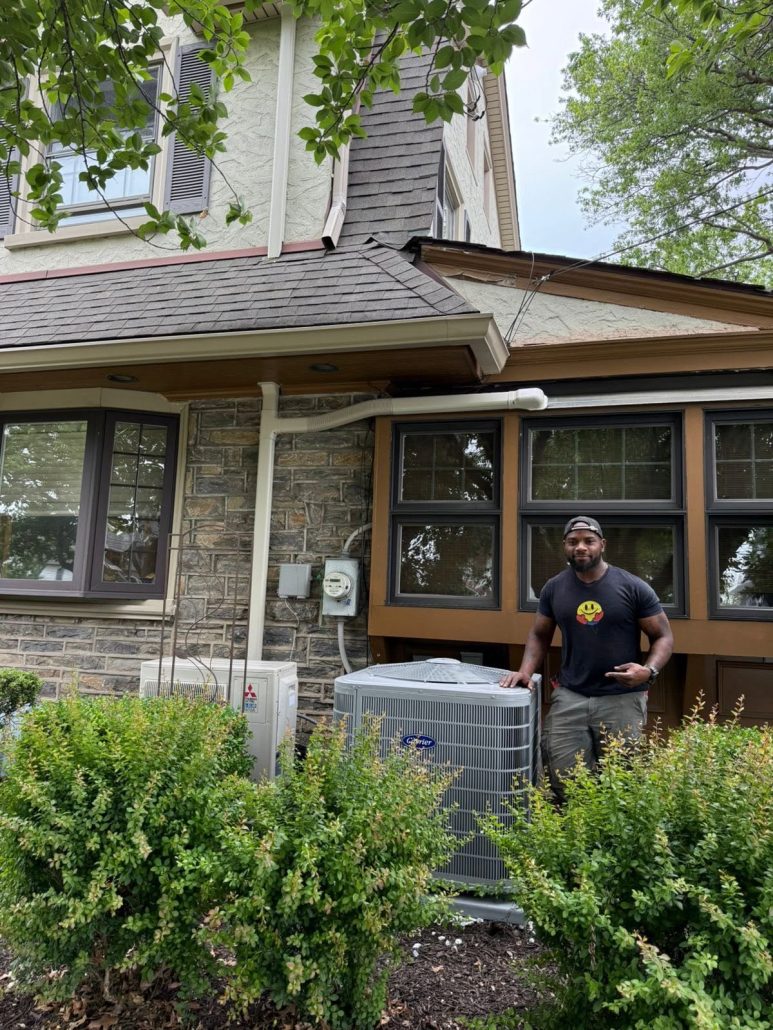
AC short cycling means your air conditioner turns on, runs for only a few minutes, then shuts off and fires back up again before finishing a real cooling cycle. A properly running system should stay on for about 10 to 15 minutes at a stretch. The usual culprits are a clogged filter, a poorly placed thermostat, low refrigerant, a failing capacitor, or a unit that’s simply too big for the house. The fastest way to handle how to fix short cycling on AC is by checking the filter and thermostat first, then calling in a technician for refrigerant and electrical issues if those don’t solve it.
What Counts as Short Cycling, and What It Isn’t
Not every quick AC cycle is a problem. On a mild 75-degree afternoon, your system might satisfy the thermostat fast and shut off, and that’s normal, not a malfunction. Real short cycling shows up as a pattern: your AC kicks on, running for two or three minutes, shutting off, then starting again five or ten minutes later, over and over, even on a hot day when the house clearly hasn’t cooled down yet. After years of crawling into attics and crawlspaces around Havertown, I can tell you most AC short cycling causes boil down to one of five things: restricted airflow, a thermostat reading the wrong temperature, low refrigerant, a failing electrical component, or a system that was sized wrong from day one.
The reason cycle length matters so much is that your AC doesn’t just cool air, it also pulls humidity out of it, and that takes time. A unit that shuts off after three minutes barely scratches the surface on dehumidification, even if the thermostat reads a cooler number. So you end up with a house that’s technically cooler but still feels damp and sticky, which around here in July is its own kind of miserable.
The Real Reasons Your AC Keeps Shutting Off
Airflow problems are, hands down, the most common thing I find on a service call. A dirty filter chokes off airflow across the indoor coil, the coil gets too cold, ice can form on it, and the system trips a safety switch and shuts down to protect itself. It’s not being dramatic, it’s doing exactly what it’s designed to do when it senses trouble. Closed bedroom doors, furniture blocking a return vent, or a filter that hasn’t been swapped since spring all create the same effect. Honestly, a big chunk of the air conditioning service in Delaware County calls I run during peak summer trace back to nothing more exotic than a filter that needed changing two months earlier.
Thermostat placement is the other sneaky one. If your thermostat sits near a sunny window, above a floor register, or right next to a lamp or TV that throws off heat, it’s reading a false temperature, not your home’s actual temperature. It thinks the house has cooled down faster than it really has, shuts the system off early, and the cycle repeats. The Department of Energy backs this up directly, noting that central thermostats need to sit away from direct sunlight and obstructions to read accurately. If your thermostat is in a weird spot, that alone could be your whole problem.
Once filters and thermostat placement are ruled out, we’re into territory that really does need a trained eye. Low refrigerant from a slow leak will cause a system to short cycle because the compressor can’t maintain proper pressure, and it’s not something you top off yourself, federal rules require a certified technician to handle refrigerant work. A weak start capacitor can cause the same stuttering pattern in the outdoor unit. And if the system was oversized for the square footage when it was installed, which happens more than you’d think in older Delco homes that picked up additions or finished basements over the years, it’ll always satisfy the thermostat too fast no matter how well it’s maintained. This is usually the point where a Central air service in Delaware County visit earns its cost, because diagnosing refrigerant pressure, electrical components, and sizing issues takes gauges and experience, not guesswork.
How to Fix Short Cycling on AC, Step by Step
If you’re wondering how to fix short cycling on AC before calling anyone, here’s the order I’d go in myself.
- Check and change the air filter, even if you think it’s not due yet.
- Walk the house and make sure no vents are blocked by furniture, rugs, or closed doors.
- Look at where your thermostat is mounted and move it if it’s catching direct sun or sitting near a heat source.
- Clear leaves, grass clippings, or debris from around the outdoor condenser unit.
- Check the outdoor condensate line for visible clogs if it’s accessible.
If you’ve done all that and the system is still cycling every few minutes, that’s your signal to stop troubleshooting and call someone. Continuing to run a short cycling AC stresses the compressor every single time it restarts, since startup draws far more current than steady running does, and the compressor is the most expensive part to replace in the whole system. If you’re in Havertown or anywhere across Delaware, Chester, or Montgomery County and you’ve hit that wall, it’s worth giving Boyle Energy a call at +1610-595-4685 so we can get eyes on it before a minor issue turns into a midsummer breakdown.
When we get the call, the actual answer to how to fix short cycling on AC almost always comes down to a proper diagnostic, not a guess. That means checking refrigerant charge and pressures, testing capacitors and electrical connections, measuring airflow across the coil, and if none of that explains it, pulling out a load calculation to see if the unit was ever sized correctly for the home in the first place. Most of the time we find the answer within the first hour on site.

What Happens If You Just Ignore It
Short cycling isn’t one of those problems that fixes itself or quietly goes away. Every restart pulls a surge of power, which shows up on your electric bill even though the house isn’t actually getting cooler. The compressor takes the brunt of the wear, and once a compressor fails, you’re often looking at an AC repair bill that gets uncomfortably close to the cost of a new outdoor unit. On top of that, since the system never runs long enough to dehumidify properly, your house stays clammy through the worst stretch of a Philadelphia summer, which is exactly when you need your AC working at its best.
Why Havertown Homes Run Into This So Often
Our corner of Pennsylvania doesn’t make this easy on equipment. Summers here regularly push into the high 80s with humidity that sits heavy for days, so a system already struggling with short cycling gets exposed fast, it simply can’t keep up. A lot of the housing stock across Havertown, Broomall, and the surrounding towns in Delaware, Chester, and Montgomery County is older, with additions, finished basements, or converted attic spaces tacked on over the decades. Those changes shift the actual cooling load of the house without anyone going back and rechecking whether the AC system still matches it, which is a quiet but very real contributor to short cycling we see again and again on service calls.
When It’s Time to Call In a Professional
If your system has been clicking on and off every few minutes, don’t wait for the hottest week of summer to deal with it. Boyle Energy has been working on homes throughout Havertown and the surrounding Delaware, Chester, and Montgomery County area long enough to know the difference between a quick filter fix and a deeper issue, and we’d rather find out now than after a breakdown. Give us a call at +1610-595-4685 and we’ll get a technician out to figure out exactly what’s going on with your system.
Frequently Asked Questions
- Why does my air conditioner keep turning on and off every few minutes?
This is called short cycling, and it usually means your AC isn’t completing a full cooling cycle. The most common causes are a dirty filter restricting airflow, a thermostat in the wrong spot, low refrigerant, a failing capacitor, or a unit that’s oversized for your home. - How do I fix short cycling on my AC?
Start with the basics. Change the air filter, clear any blocked vents, and check that your thermostat isn’t near a heat source or direct sunlight. If the system keeps cycling after that, the issue is likely refrigerant, electrical, or sizing related, and it needs a technician to diagnose with the right tools. - Is short cycling bad for my AC unit?
Yes. Every restart pulls a surge of electrical current that’s far higher than normal running power, and that repeated strain wears down the compressor faster than steady operation. Left unaddressed, short cycling often leads to a premature, expensive compressor failure. - Can a dirty air filter really cause an AC to short cycle?
Absolutely, it’s one of the most common reasons. A clogged filter restricts airflow across the indoor coil, the coil can get too cold and ice over, and the system shuts itself off as a safety response, then tries to restart shortly after. - Why does my AC short cycle even though the house still feels hot?
This usually points to a thermostat reading a false temperature, often because it’s near a sunny window or a heat producing appliance, or it can mean the unit is oversized and satisfying the thermostat before it’s actually cooled the rest of the house. - Can an oversized AC unit cause short cycling?
Yes, it’s actually one of the leading causes. An oversized system cools the air around the thermostat very quickly and shuts off, but it never runs long enough to properly remove humidity from the rest of the home, so you get short cycles paired with a house that still feels damp. - How much does it cost to fix AC short cycling?
It depends entirely on the cause. A filter swap or thermostat relocation costs very little, while a refrigerant leak repair, capacitor replacement, or a sizing correction will cost more. A technician needs to diagnose the actual cause before giving you an accurate number. - Should I keep running my AC if it’s short cycling?
It’s best not to. Running a short cycling system continuously adds unnecessary wear to the compressor with every restart. It’s worth shutting the system off and getting a professional diagnosis rather than letting it keep cycling while you waitIf your system has been clicking on and off every few minutes, don’t wait for the hottest week of summer to deal with it. Boyle Energy has been working on homes throughout Havertown and the surrounding Delaware, Chester, and Montgomery County area long enough to know the difference between a quick filter fix and a deeper issue, and we’d rather find out now than after a breakdown.Give us a call at +1610-595-4685 and we’ll get a technician out to figure out exactly what’s going on with your system.

Patrick Boyle brings over three decades of expertise to Boyle Energy, carrying forward a family legacy that began with his grandfather, Joseph Boyle Sr., the company’s founder. With extensive technical proficiency, Patrick holds advanced certifications in both oil and HVAC systems, ensuring the highest standards of service and performance. Additionally, he is recognized as an NPGA-certified propane service professional, underscoring his commitment to safety and industry best practices. Under his leadership, Boyle Energy continues to deliver reliable and efficient energy solutions, grounded in generations of trust and innovation.