 Skip to content
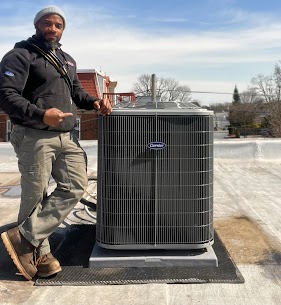
Spring HVAC maintenance for Pennsylvania homeowners involves replacing air filters with a MERV 11-13 rated filter, cleaning and inspecting the outdoor condenser unit, checking condensate drain lines, testing thermostat settings for cooling mode, inspecting refrigerant line insulation, and scheduling a professional tune-up before peak cooling season. In the Greater Philadelphia area, including Delaware County, Chester County, and Montgomery County, spring maintenance is especially important because of the region’s high pollen counts, rising humidity levels, and unpredictable temperature swings that stress HVAC systems transitioning from heat to cooling mode.
Why Spring Is the Most Critical Time for HVAC Maintenance in the Philadelphia Area
If you live anywhere near Havertown, Philadelphia, or across Delaware and Chester counties, you already know that spring here is not exactly gentle on mechanical systems. The temperature can swing 30 degrees in a single week. Rain comes in sideways one day and the sun bakes everything the next. Your HVAC system is quietly absorbing all of that transition stress, cycling between heating and cooling modes far more frequently than it does during the dead of winter or the height of summer.
On top of the weather, Philadelphia’s geography creates a particular allergen problem. The city sits in a humid corridor between the Schuylkill and Delaware Rivers, and that bowl-shaped microclimate traps pollen at low altitudes for extended periods. April and May bring extreme oak, maple, birch, and hickory pollen counts across Delaware, Montgomery, and Chester counties. When your windows are closed and your HVAC is running, that system becomes either your best defense or your worst enemy against those allergens. A well-maintained system with a clean, properly rated filter captures the particles. A neglected one circulates them through every room in the house.
That context is exactly why completing your spring HVAC maintenance checklist before late April makes such a practical difference for families in this region.
The Spring HVAC Maintenance Checklist: What Homeowners Can Do Themselves
There is real value in knowing which tasks you can handle before the technician arrives. These are not complicated, but they make a measurable difference in how your system performs and how long it lasts.
- Replace your air filter. This is the single most impactful thing a homeowner can do. For spring in the Philadelphia area, consider upgrading to a filter with a MERV rating between 11 and 13, which is designed to capture finer airborne particles including pollen, mold spores, and dust mite debris. One important note: not every HVAC unit can handle the increased air resistance that comes with higher MERV filters. If you are unsure whether your system is rated for it, a quick call to a local technician is worth your time before making the switch.
- Clear the area around your outdoor condenser unit. After a Pennsylvania winter, that unit has likely accumulated leaves, debris, and possibly winter cover material that was never removed. Clear at least two feet of clearance on all sides. Use a soft brush or cloth on the fins. Do not use a pressure washer on the coils as the fins bend easily and restrict airflow when damaged. While you are at it, trim back any shrubs or vegetation that will grow during the season and eventually crowd the unit.
- Check and clean your vent covers and registers. Pull them off, wash them with warm soapy water, and vacuum the duct opening before reinstalling. Also, do a quick walk-through to ensure no furniture, rugs, or curtains have shifted over the winter and are not blocking airflow to any supply or return vent. Blocked vents force the system to work harder and create uneven temperatures across rooms.
- Switch your thermostat to cooling mode and run a brief test. Turn on the AC for 15 to 20 minutes and confirm that cool air is coming through all vents, that the system responds accurately to temperature changes, and that no unusual sounds come from either the indoor air handler or the outdoor condenser when it kicks on. If you have not already made the switch to a programmable or smart thermostat, spring is a good time to consider it. Setting the temperature to around 78 degrees Fahrenheit when you are home and backing off when the house is empty can reduce unnecessary cycling and lower your utility bills meaningfully over a full season.
- Inspect the refrigerant line insulation. The two copper lines that run from your outdoor unit into the house should be wrapped in foam insulation. Walk the line and look for sections where that insulation is cracked, missing, or deteriorating. Damaged insulation reduces cooling efficiency and drives up energy use. This is not a DIY fix but spotting it early means you can flag it for your technician rather than discovering it mid-summer when the system is struggling on a 95-degree day.
- Check the condensate drain pan and line. The indoor air handler has a small drain pan beneath the evaporator coil that collects condensation as the system removes humidity from your air. Look for standing water in that pan, which indicates a clogged drain line. If you are comfortable doing so, flush the line with a diluted bleach solution to clear algae buildup. Left unaddressed, a clogged condensate drain leads to water damage, mold growth, and sometimes a system shutdown triggered by the unit’s safety float switch.
What a Professional Spring Tune-Up Actually Covers
Homeowner tasks matter, but they touch only the accessible and visible parts of the system. A professional spring HVAC maintenance checklist goes considerably deeper, and this is the part that most directly determines whether your system holds up through July and August.
A qualified heating and air conditioning service technician will inspect and clean the evaporator and condenser coils, which lose efficiency rapidly when coated with even a thin layer of dirt. They will check refrigerant levels and test for leaks, because low refrigerant does not just reduce cooling capacity, it puts severe stress on the compressor, which is the most expensive component in the system to replace. Electrical connections will be inspected and tightened, since loose connections are a fire risk and a common cause of system failures during peak summer demand. Blower components, belts, and motors will be lubricated and tested. And the technician will verify that all safety controls are functioning correctly.
If your system is more than 10 years old, this inspection also becomes a reliable assessment of what years of life remain. Air conditioners typically last between 12 and 17 years, and furnaces anywhere from 15 to 30 depending on the unit and how well it has been maintained. HVAC equipment in southeastern Pennsylvania faces additional wear from the region’s high humidity, which accelerates corrosion. A technician who knows your local conditions can give you a realistic picture of where you stand.
If you are a Boyle Energy customer or looking for reliable heating and air conditioning near Havertown, call the team at +1 610-897-7580 to schedule your spring tune-up before the summer rush fills up the calendar. Getting in early means you have options. Waiting until June usually means you are next in line behind everyone whose system already failed.
A Note on Ductwork, Indoor Air Quality, and Local Energy Rebates
One maintenance item that Pennsylvania homeowners consistently overlook is ductwork. The average home’s duct system leaks roughly 30 percent of conditioned air before it reaches the intended rooms. That is significant in a region where older housing stock, particularly across Delaware County and Chester County, has ductwork that has never been inspected or sealed since original installation. Leaky ducts do not just waste energy. They can also pull dust, insulation particles, and unconditioned air from attics and crawl spaces directly into your living areas. If rooms in your home are noticeably harder to cool than others, or if you are seeing dust accumulate quickly near vents, a duct inspection is worth requesting.
On the indoor air quality front, Philadelphia’s pollen season is documented well enough that local allergists specifically recommend keeping windows closed and ensuring HVAC filters are clean as a primary household intervention. You can review the Asthma Center’s daily pollen monitoring data for the Greater Philadelphia area to understand what your system is filtering during peak season.
For homeowners considering system upgrades, PECO customers in the Philadelphia area may qualify for rebates on qualifying heat pump installations and high-efficiency central air systems. Applications must be submitted within 90 days of purchase. Pennsylvania’s HEAR program also offers up to $8,000 in rebates for qualifying heat pump HVAC installations for eligible households. Worth checking before you commit to replacing an aging system out of pocket.
Signs Your HVAC System Needs More Than Routine Maintenance
Sometimes a tune-up is not enough, and spring is the right time to face that honestly rather than discover it during a heat wave. Watch for these signals:
- The system is not reaching the temperature set on the thermostat, even after filters are clean and vents are open.
- Your energy bills this past winter were noticeably higher than the year before without a clear explanation.
- You are hearing grinding, squealing, or banging from the air handler or the outdoor unit.
- There is a musty or burning smell when the system runs, either at startup or persistently.
- The outdoor unit is more than 12 to 15 years old and has required repair calls in back-to-back seasons.
A helpful rule of thumb for the repair-vs-replace decision is to multiply the unit’s age by the estimated repair cost. If the number is above $5,000, replacement tends to make more financial sense than continuing to invest in a declining system. Boyle Energy serves homeowners looking for honest guidance on exactly these decisions across heating and air conditioning in Philadelphia and the surrounding suburbs. No pressure, just practical advice from technicians who understand this region’s climate and the homes in it.
Complete Your Spring Checklist Before the Rush
Spring maintenance for your HVAC system is one of those tasks that genuinely pays for itself. Systems that receive annual heating and air conditioning service last longer, run more efficiently, generate fewer emergency repair calls, and maintain better indoor air quality through pollen season. In southeastern Pennsylvania, where the spring-to-summer weather transition puts real stress on residential HVAC equipment, that value is higher than the national average.
Whether you handle the filter swap and condenser clearance yourself or want the full professional inspection, the time to act is before the heat arrives. Boyle Energy offers heating and air conditioning service in Philadelphia, Delaware County, Chester County, and Montgomery County. Call the team at +1 610-897-7580 to schedule your spring maintenance today.
Frequently Asked Questions
- When should I schedule HVAC maintenance in Pennsylvania?
Spring, ideally between March and early May, is the best time to schedule maintenance for your cooling system in Pennsylvania. This gives a qualified technician time to inspect, clean, and tune the system before summer heat arrives and service schedules become fully booked. Fall is the recommended time for furnace and heating system maintenance. - What does a spring HVAC tune-up include?
A professional spring tune-up typically includes cleaning the evaporator and condenser coils, checking refrigerant levels and testing for leaks, tightening electrical connections, lubricating moving parts, testing thermostat calibration, inspecting the condensate drain line and pan, and evaluating the blower motor and belts. Some contractors also inspect accessible ductwork. - How often should I change my HVAC filter in spring?
During spring and summer in the Philadelphia area, checking your filter monthly is a good habit. If you have pets, allergies, or a high-pollen environment, monthly replacement is reasonable. At minimum, replace it every 90 days. A dirty filter is the most common cause of reduced efficiency and poor indoor air quality. - Can my HVAC system make my spring allergies worse?
Yes. If filters are dirty or the ductwork has accumulated debris, your HVAC system can circulate pollen, dust, and mold spores through the home rather than removing them. Keeping filters clean, using a MERV 11 to 13 rated filter, and scheduling duct inspections on older systems helps prevent this. - How long does an HVAC system last in Pennsylvania?
Central air conditioners typically last 12 to 17 years. Gas furnaces can last 15 to 30 years, with 20 years being a reasonable average for well-maintained units. High humidity in southeastern Pennsylvania can accelerate corrosion and shorten these ranges, particularly for outdoor components. Regular maintenance is the most effective way to maximize equipment life. - What are signs my AC needs to be replaced rather than repaired?
Key indicators include the system being 12 or more years old with increasing repair frequency, energy bills rising without a change in usage, the system failing to reach set temperatures reliably, and repeated refrigerant leaks. A practical rule is to multiply the system’s age by the repair estimate. If the total exceeds $5,000, replacement is usually the more economical path. - Are there HVAC rebates available in the Philadelphia area?
Yes. PECO customers in the greater Philadelphia area, including Delaware County and Chester County, may qualify for rebates on qualifying heat pump and central air conditioning installations. Pennsylvania’s HEAR program offers up to $8,000 for qualifying heat pump HVAC upgrades for eligible households. Rebate applications through PECO must be submitted within 90 days of purchase. - What is the best thermostat setting for spring in Pennsylvania?
During spring, setting your thermostat to around 75 to 78 degrees Fahrenheit when you are home strikes a reasonable balance between comfort and efficiency. Use programmable setbacks for when the house is unoccupied. Avoid setting it below 70 degrees, as very low set points cause the system to run excessively and can lead to the evaporator coil freezing, particularly when outdoor temperatures are still mild.

Patrick Boyle brings over three decades of expertise to Boyle Energy, carrying forward a family legacy that began with his grandfather, Joseph Boyle Sr., the company’s founder. With extensive technical proficiency, Patrick holds advanced certifications in both oil and HVAC systems, ensuring the highest standards of service and performance. Additionally, he is recognized as an NPGA-certified propane service professional, underscoring his commitment to safety and industry best practices. Under his leadership, Boyle Energy continues to deliver reliable and efficient energy solutions, grounded in generations of trust and innovation.
