 Skip to content
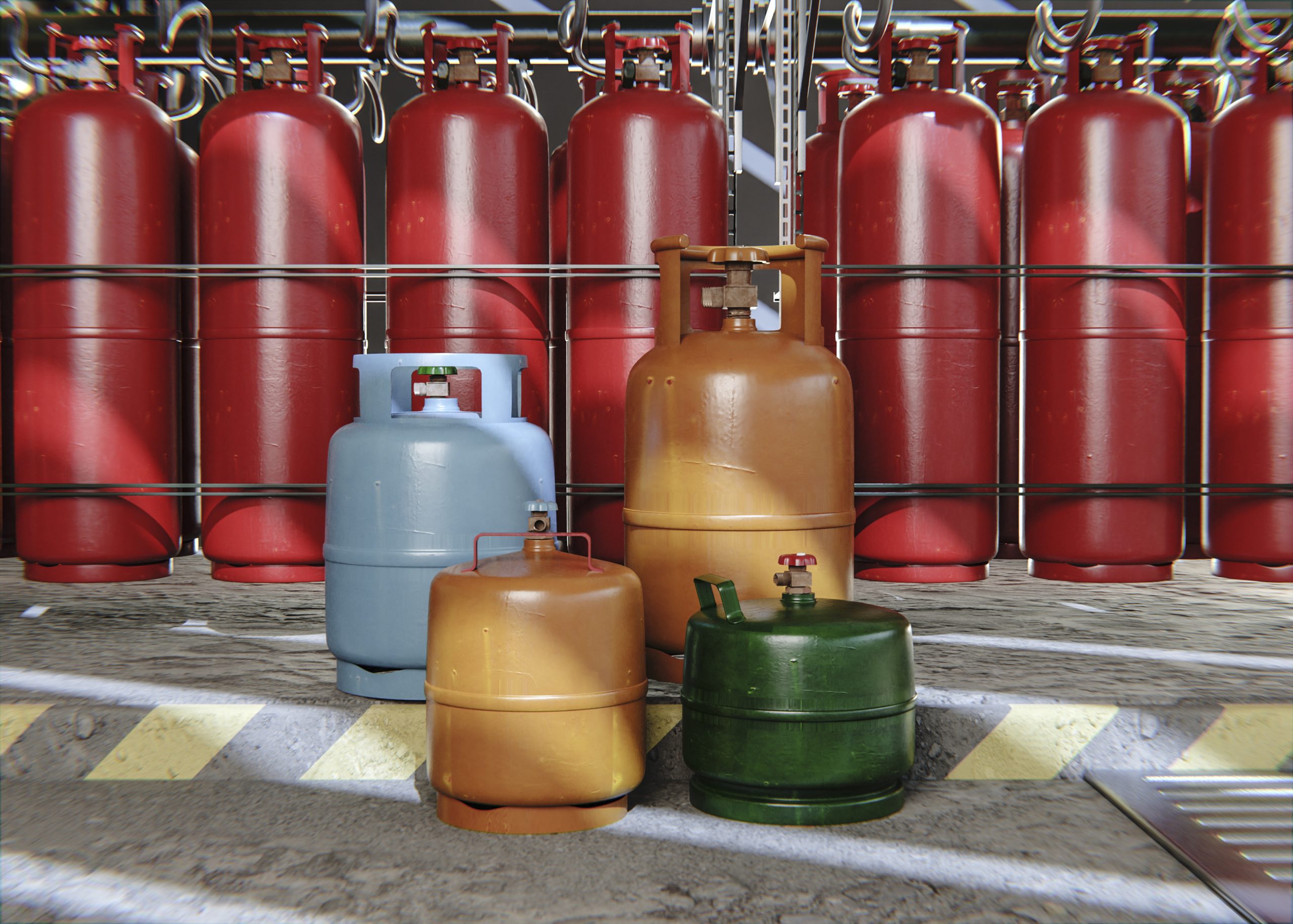
If you’re a homeowner in Havertown or anywhere across Delaware County, chances are you’ve either used propane to heat your home or considered it. But with that consideration often comes one important question: how safe is propane heating?
Let’s get straight to it. Propane is widely used, incredibly efficient, and when handled correctly, very safe. But as with any fuel source, it’s important to understand what makes it safe, what risks to be aware of, and how you can keep your home protected.
In this blog, we’re going to walk you through the essentials of propane safety, bust some myths about indoor use, and help you feel more confident using propane in your home.
What Makes Propane Heating Safe?
First, let’s talk about the nature of propane itself. Propane is a clean-burning, highly efficient fuel that’s commonly used in homes for furnaces, water heaters, and space heaters. It’s stored as a liquid under pressure and turns into gas when released for use.
Here’s why it’s safe when used properly:
- Odorized for Detection: Propane is naturally odorless, but manufacturers add a chemical that smells like rotten eggs so leaks are easy to detect.
- Strict Safety Standards: Both propane appliances and delivery systems are regulated under national safety standards.
- Highly Controlled Delivery: Reputable propane gas companies follow strict protocols during delivery to ensure your tank is properly installed, filled, and maintained.
So, is propane heating safe? Yes. Absolutely. But it depends on how it’s used and maintained.
What Are the Real Safety Risks of Propane?
Let’s not sugarcoat it. Propane is still a fuel, and fuels can be dangerous if mishandled.
1. Fire and Explosion Risks
Propane is flammable. That’s not news. If there’s a leak and the gas comes in contact with an ignition source, it can cause a fire or explosion. That’s why you should never ignore a propane smell in or around your home.
2. Carbon Monoxide Poisoning
This is the most serious risk when using propane heaters, especially indoors. Carbon monoxide (CO) is a colorless, odorless gas created when propane doesn’t burn completely. If your propane appliance is poorly vented or malfunctioning, CO can build up without you even knowing.
Protect yourself by installing CO detectors on every level of your home.
3. Oxygen Depletion in Enclosed Spaces
If you’re asking, can you use a propane heater indoors, the answer is nuanced. Only vented propane heaters approved for indoor use are safe. Using portable outdoor-only heaters inside can deplete oxygen levels and create a serious safety hazard.

What Can You Do to Stay Safe?
Propane safety comes down to awareness and maintenance. Here’s what we recommend for every Havertown homeowner:
Have Your Propane System Inspected Annually
A professional inspection can detect leaks, blockages, and carbon monoxide risks before they become dangerous.
Install CO Detectors
Carbon monoxide detectors are a must if you use propane heat. Test them monthly and change the batteries at least once a year.
Follow Manufacturer Guidelines
Every propane appliance comes with detailed safety guidelines. Follow them carefully, especially if you’re using space heaters or other portable units.
Never Use Outdoor-Only Heaters Inside
This is critical. Just because a heater runs on propane doesn’t mean it’s safe indoors. Always check the labeling.
Propane Is Safe, Efficient, and Perfectly Suited for Delaware County Homes
Homes in Delaware County rely on propane for its reliability and energy efficiency. Whether you’re heating your entire home or supplementing with a space heater, propane gives you comfort and flexibility, especially in areas where natural gas lines may not be accessible.
At Boyle Energy, we’ve been keeping Havertown homes warm for over 80 years. We don’t just deliver propane, we deliver peace of mind. As one of the most trusted propane gas companies in the area, we’re proud to offer professional-grade installation, maintenance, and propane gas delivery services.
Call Boyle Energy at 610-347-5197 for expert propane heating solutions you can rely on.
Can You Use Propane Indoors?
Let’s address this clearly. Can you use a propane heater indoors? Only if it’s designed for indoor use and properly vented.
There are two types of propane heaters:
- Vented Heaters: Designed for indoor use, these exhaust combustion gases outside your home. They’re safe when professionally installed and maintained.
- Unvented (Vent-Free) Heaters: Some are designed for indoor use, but they must have built-in oxygen depletion sensors and should never be used in small, unventilated rooms.
Never, under any circumstance, use an outdoor-only propane heater indoors.
How to Recognize a Propane Leak
Knowing what to do in the event of a propane leak can save your life.
Warning Signs of a Leak:
- Smell of rotten eggs or sulfur
- Hissing sound near appliances or tank
- Dead vegetation near an underground tank
What to Do:
- Evacuate the area immediately
- Avoid touching anything electrical
- Call your propane provider and 911 from a safe distance
Why Propane Is Still One of the Safest Home Heating Options
Despite the risks, propane remains one of the safest and cleanest heating fuels available. It’s non-toxic, doesn’t contaminate soil or water if leaked, and burns more efficiently than many other fuels. When used correctly, it’s not only safe; it’s smart.
If you’re looking for dependable propane in Delaware County, expert safety advice, or help with propane appliance installation, we’ve got your back.
Call Boyle Energy at 610-347-5197 today to schedule your propane safety inspection or delivery. Stay warm. Stay safe. Trust the local experts.
FAQs About Propane Heating Safety
1. Is propane safer than natural gas?
Both are safe when installed and used properly, but propane is heavier than air, which means it can settle in low spaces. Natural gas is lighter and disperses more quickly.
2. What should I do if I smell propane?
Leave the area immediately, avoid using electronics or light switches, and call 911 or your propane supplier from a safe location.
3. Can propane leak make you sick?
Yes. High levels of propane or carbon monoxide due to improper combustion can cause dizziness, nausea, or even suffocation.
4. Do propane tanks explode?
It’s extremely rare. Tanks are built with multiple safety valves. Explosions typically only happen under extreme, uncontrolled conditions such as fires or severe mechanical failure.
5. How often should I have my propane system inspected?
At least once a year. Regular maintenance reduces risks and ensures peak performance.
6. Is it safe to use propane heaters in a garage?
Only if the heater is rated for indoor use and the space is well-ventilated. Never use outdoor-only heaters in enclosed garages.
7. How do I know if my propane appliance is vented?
Check the manufacturer’s label or user manual. If unsure, call a certified HVAC technician to inspect it.

Patrick Boyle brings over three decades of expertise to Boyle Energy, carrying forward a family legacy that began with his grandfather, Joseph Boyle Sr., the company’s founder. With extensive technical proficiency, Patrick holds advanced certifications in both oil and HVAC systems, ensuring the highest standards of service and performance. Additionally, he is recognized as an NPGA-certified propane service professional, underscoring his commitment to safety and industry best practices. Under his leadership, Boyle Energy continues to deliver reliable and efficient energy solutions, grounded in generations of trust and innovation.
