
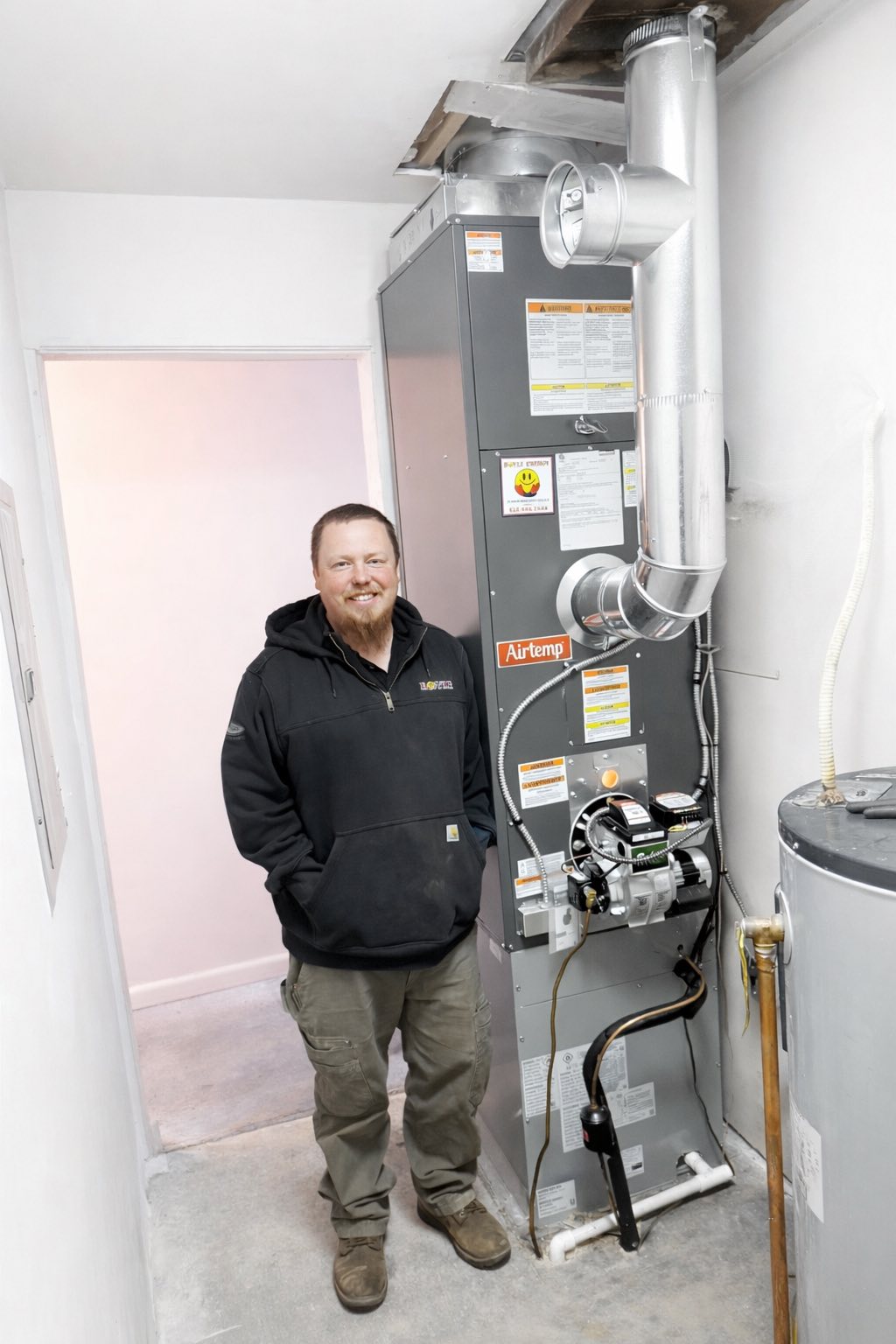
Your oil furnace needs repair when you notice unusual noises like banging or grinding, experience short cycling (turning on and off every few minutes), see rising heating bills without increased usage, smell persistent fuel or burning odors, or observe yellow flames instead of blue. Other warning signs include frequent reset button use, uneven heating across rooms, and difficulty starting. Professional inspection is essential when you notice any of these symptoms to prevent system failure and ensure safe operation.
Understanding When Your Oil Furnace is Calling for Help
Most homeowners don’t think about their oil furnace until something goes wrong. You’re in your West Grove living room on a January evening when you hear a sound that wasn’t there before, or the house just isn’t as warm as it should be.
Oil furnaces rarely fail without warning. They communicate through sounds, smells, performance changes, and operational quirks that signal developing problems. Catching these signs early saves you from midnight emergency calls and prevents minor issues from becoming expensive replacements.
After servicing thousands of homes across Delaware County and Chester County, we’ve seen patterns in how oil furnaces show distress. Let’s walk through what you need to watch for.
Strange Noises That Mean Trouble
Your oil furnace makes some normal sounds during operation. The whoosh of ignition, the hum of the blower motor, the click of the thermostat. What you shouldn’t ignore are new sounds that stand out.
Banging or booming during startup usually points to delayed ignition. Fuel accumulates in the combustion chamber before lighting, creating a small explosion when it finally ignites. It stresses components and can crack the heat exchanger over time.
Grinding noises demand immediate attention. Shut the system down and call for service. This typically means motor bearings have failed or a blower wheel has come loose. Running the furnace in this condition destroys the motor and turns a $300 repair into a $1,200 replacement.
Squealing or screeching sounds indicate belt problems or motor bearing wear. These components are inexpensive to replace, but complete failure damages other parts of the system. High-pitched whistling sometimes points to airflow restrictions from severely clogged filters.

Performance Problems You Can’t Ignore
Short cycling is one of the clearest signs your furnace needs professional attention. Normal heating cycles run between 7 and 20 minutes, cycling 3 to 8 times per hour. When your furnace runs for 2 or 3 minutes, then shuts off, only to restart moments later, something’s wrong.
Common causes include overheating from dirty filters, faulty thermostats, or failing limit switches. The constant starting and stopping wastes fuel and prevents comfortable temperatures. If you’re experiencing this issue, companies providing oil furnace repair in Philadelphia can address it quickly to prevent further damage and extend your system’s lifespan.
Uneven heating across your home suggests ductwork problems or a struggling furnace. When your bedroom stays frigid while the living room overheats, the furnace might be undersized, dampers could be stuck, or the heat exchanger might be cracked.
Difficulty starting is another red flag. If you’re pressing the reset button, you’ve got a problem needing diagnosis. The fuel filter might be clogged, the nozzle dirty, the cad cell sensor failed, or you’ve got water in your tank.
Here’s something critical: never press that reset button more than twice. Each press pumps oil into the combustion chamber. When ignition finally happens with all that accumulated fuel, you risk a dangerous puff-back that can damage your furnace and home.
When Your Heating Bills Tell the Story
Rising fuel costs tell you something’s changed with your furnace’s efficiency. Modern high efficiency oil boiler furnace systems operate between 84% and 95% AFUE, meaning that percentage of your heating oil converts directly into warmth. Older systems might limp along at 65% efficiency or worse.
If your heating bills have climbed noticeably while your usage patterns haven’t changed and winter temperatures are typical, your furnace is working harder to produce the same heat. Component wear, burner misalignment, dirty heat exchangers, and air leaks all steal efficiency. Neglected oil furnaces lose roughly 5% efficiency annually.
The math matters here. If you’re spending $3,000 per heating season and your efficiency has dropped from 85% to 65%, you’re wasting about $700 annually. That money could fund several years of professional maintenance.
Sometimes the billing increase comes from the furnace running constantly without achieving your thermostat setting. This points to capacity loss from a failing component or a system that’s reached the end of its functional life.
If you’ve noticed your energy costs creeping upward, Boyle Energy can perform a combustion analysis to measure your actual efficiency. Call us at 610-897-7580 to schedule an efficiency assessment.
Safety Warning Signs You Must Never Ignore
Oil furnaces produce carbon monoxide during normal combustion, but properly functioning systems vent it safely outside. When things go wrong, you need to recognize the warning signs immediately. The CDC recommends having working CO detectors on every level of your home.
Yellow or orange flames instead of a crisp blue flame with a small yellow tip signal incomplete combustion. This wastes fuel and produces excess carbon monoxide. The flames should look sharp and focused, not lazy or wavering.
Excessive soot around your furnace, on the burner assembly, or near the flue pipe means combustion isn’t happening cleanly. Heavy black accumulation suggests the fuel-to-air mixture is off or the burner nozzle needs replacement.
Persistent fuel odors mean you likely have a leak somewhere in the system. While a faint oil scent near your tank is normal, strong odors reaching living spaces indicate fuel is escaping. Oil leaks create fire hazards and waste expensive fuel.
Smoke coming from your furnace is never normal and requires immediate shutdown. Any visible smoke signals serious combustion problems that could indicate cracked heat exchangers or blocked venting.
Water or moisture around your furnace base can indicate a cracked heat exchanger, allowing condensation to escape, or flue gas condensation from venting problems.
The Maintenance Factor
Annual oil furnace service isn’t optional maintenance; it’s insurance against breakdowns and efficiency loss. During a thorough service visit, technicians clean and adjust burners, replace nozzles, test combustion efficiency, inspect heat exchangers for cracks, and check all safety controls.
These inspections catch problems before they become emergencies. A technician might notice a heat exchanger starting to develop stress cracks, allowing you to plan for replacement rather than dealing with a sudden failure in February.
Regular maintenance extends system lifespan significantly. While the average oil furnace lasts 15 to 20 years, properly maintained systems routinely operate efficiently for 25 to 30 years.
Change your air filters monthly during heating season or at a minimum every 90 days. A $5 filter prevents hundreds in repair costs by maintaining proper airflow and preventing overheating.
What Actually Happens During Furnace Failure
Understanding failure patterns helps you recognize problems early. Heat exchangers develop cracks from years of thermal expansion and contraction, allowing combustion gases to mix with heated air and creating carbon monoxide hazards.
Cad cell sensors, which detect whether the burner flame is lit, fail over time from heat exposure and soot accumulation. When they fail, your furnace won’t start or will start then immediately shut down.
Blower motors wear out, especially if they’ve been running with restricted airflow from dirty filters. Ignition transformers can fail, leaving you without spark to light the fuel. Fuel pumps that feed oil to the burner can wear out or get clogged with sediment from aging oil tanks.
Making the Right Call
Knowing when to call for service versus when to try simple fixes yourself saves time and money. You can safely change air filters, ensure your thermostat has fresh batteries, verify your oil tank has adequate fuel, and check that circuit breakers haven’t tripped.
Everything else requires professional attention. Combustion systems aren’t DIY territory. The risks range from wasted money on wrong parts to dangerous situations from improper repairs.
When you’re dealing with any of these warning signs, you want a company that knows oil furnaces inside and out. Boyle Energy has been serving Delaware County, Chester County, Montgomery County, and Philadelphia for years.
Don’t wait until your furnace quits completely on the coldest night of the year. If you’re noticing any of these warning signs, call Boyle Energy at 610-897-7580 to schedule a diagnostic visit. We’ll identify exactly what’s happening and give you straight answers about whether you need repairs or replacement.
Frequently Asked Questions
- How do I know if my oil furnace needs to be replaced or just repaired?
If your furnace is under 15 years old and repair costs less than 50% of replacement cost, repair usually makes sense. Beyond 20 years, especially facing major component replacement like a heat exchanger, replacement often provides better value. A technician can measure your efficiency and explain the payback period. - Why does my oil furnace keep shutting off?
Frequent shutdowns result from safety controls triggering. Common causes include clogged air filters causing overheating, failed cad cell sensors, dirty nozzles preventing ignition, or limit switches detecting excessive temperatures. Sometimes it’s a poorly positioned thermostat. Diagnosis requires checking these systems in sequence. - Can I reset my oil furnace myself?
Press the reset button once if your furnace shuts down, but never more than twice. Each reset pumps oil into the combustion chamber. Multiple resets flood the chamber with fuel that can ignite explosively. If one reset doesn’t work, call for service. - What does it mean when my oil furnace smells like burning?
A dusty smell when you first start your furnace in fall is normal. A smell persisting beyond the first few hours suggests electrical issues like failing wiring or overheating motors. A fuel smell indicates an oil leak. Strong acrid burning could signal melting insulation. - How often should I have my oil furnace serviced?
Annual service before heating season is the industry standard. This allows technicians to catch problems before winter demand and gives you time to budget for repairs. Some high-efficiency systems might benefit from twice-yearly service. Never go more than two years between inspections. - Is it normal for my oil furnace to cycle on and off frequently?
Normal cycling is 3 to 8 times hourly with each cycle lasting 7 to 20 minutes. Short cycling where the furnace runs just 2 or 3 minutes indicates problems like dirty filters, oversized equipment, or failing limit switches. This wastes fuel and requires professional diagnosis. - What causes yellow flames in an oil furnace?
Yellow flames indicate incomplete combustion from incorrect fuel-to-air mixture. Common causes include clogged nozzles, incorrect nozzle size, blocked air intake, or draft problems. Yellow flames waste fuel, produce excessive soot, and generate more carbon monoxide. This requires immediate adjustment. - Why is my oil furnace making loud banging noises when it starts?
Banging at startup signals delayed ignition. Fuel accumulates in the combustion chamber before igniting, creating a small explosion. Causes include dirty electrodes, incorrect electrode gap, clogged nozzle, or draft problems. A technician needs to adjust combustion settings to eliminate this.

Patrick Boyle brings over three decades of expertise to Boyle Energy, carrying forward a family legacy that began with his grandfather, Joseph Boyle Sr., the company’s founder. With extensive technical proficiency, Patrick holds advanced certifications in both oil and HVAC systems, ensuring the highest standards of service and performance. Additionally, he is recognized as an NPGA-certified propane service professional, underscoring his commitment to safety and industry best practices. Under his leadership, Boyle Energy continues to deliver reliable and efficient energy solutions, grounded in generations of trust and innovation.
