
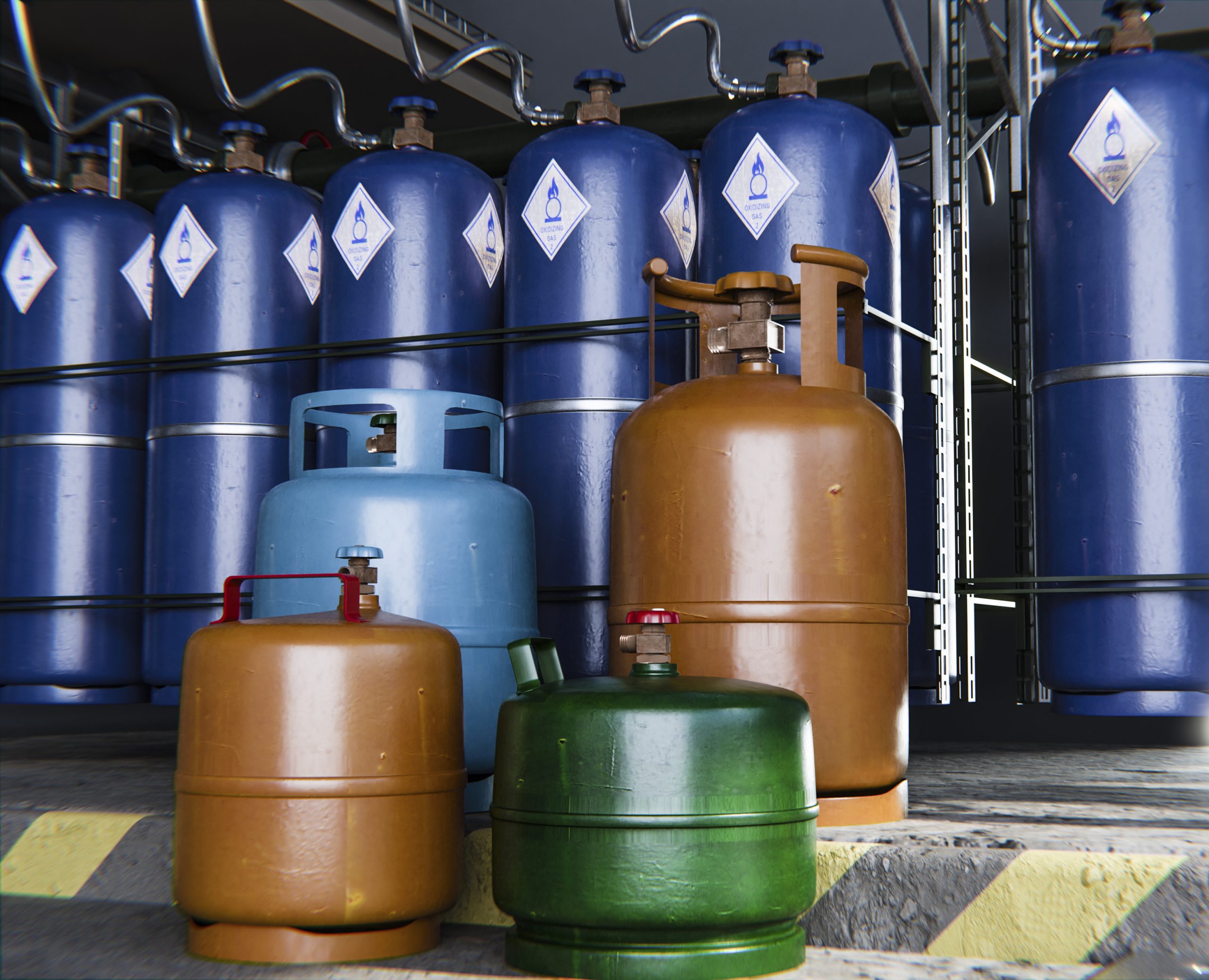
Most Philadelphia homeowners using propane for heating should schedule deliveries every four to six weeks, depending on the severity of the winter months. For all the time used, the frequency varies depending on the volume of the appliance and the size of the tank. Don’t ever let your tank go below 30 percent to avoid disruptions in service, particularly in cold months. Smart trackers and automatic dispatching plans make scheduling even easier.
Why Propane Delivery Timing Matters in Philly
Living in the Philadelphia region means dealing with four distinct seasons, and winter can hit hard. Whether you use propane in your home for heating, hot water, or cooking, making sure you stay ahead of your delivery schedule is about more than just convenience. It is about keeping your home safe, warm, and in proper working order when the weather turns cold. We’ve seen it firsthand in Havertown, Wayne, and West Grove. A surprise cold snap strikes, and homeowners who procrastinated calling for propane are left out in the cold. That’s why knowing how often you should be ordering propane for home heating isn’t just a good idea; it’s very necessary.
What Affects How Often You Need Propane Delivery?
There’s no one-size-fits-all answer, but a few key factors determine how often you’ll need a refill.
1. Your Propane Usage
If you use propane only for heating during the winter months, you’ll probably need a delivery about every 4 to 6 weeks. If you use it only for cooking or hot water, that frequency could drop to every few months.
2. Your Tank Size
Most Delaware County homes have 100 to 500-gallon tanks. A 500-gallon tank supplying a whole-house system may need to be refilled two or three times between November and March.
3. Local Temperatures
Philadelphia winters are no joke. With average lows hovering around 26°F, heating systems work overtime. More runtime equals more propane used. And when a cold snap hits, delivery trucks get booked up fast.
4. Number of Appliances
If you’ve recently installed a propane fireplace, pool heater, or backup generator, your usage just went up. Even temporary changes like hosting guests can increase demand.
Avoid This Common Mistake: Letting Your Tank Get Too Low
Most customers wait until their tank gets down to 10 or 15 percent before calling. That’s risky. And you need to order a propane delivery before your tank reaches 30 percent.
1. If your tank runs dry, a compulsory leak check must take place before you can refill at added expense and delay.
2. Low fuel can cause inconsistent pressure, which affects appliance performance.
3. The cold spell is leaving blackouts and making lives uncomfortable without heat or hot water.
For homeowners who prefer peace of mind, Boyle Energy offers both automatic & will-call propane delivery. We track your usage and the local weather to deliver before you’re low. Call Boyle Energy at 610-347-5197 today.
How Often Should Different Households Schedule Delivery?
Let’s break it down:
- Heating Only: Every 4 to 6 weeks during the heating season (November through March).
- Hot Water + Cooking Only: Every 3 to 6 months, depending on household size and appliance usage.
- Full Propane Homes (Heat, Water, Stove, etc.): Expect 2 to 3 refills of a 500-gallon tank during winter.
- Vacation Homes: Schedule based on seasonal usage or use remote tank monitoring. Speaking of which, installing a propane tank monitor is one of the smartest things you can do. It tracks your tank level and notifies you or your provider when it’s time to schedule a refill.
If you’re unsure about your usage or tank size, give Boyle Energy a call. We’ll help you calculate your delivery needs and even walk you through options like auto-fill or smart monitoring.

Choosing a Local Provider Matters
When it comes to propane, timing and reliability go hand in hand. During a brutal winter week, it’s not uncommon for large national companies to experience delays. Propane companies in PA, like Boyle Energy, know the area, the roads, and the weather patterns. As in, quicker service and more peace of mind.
Final Thoughts: Don’t Wait for the Cold to Call
Philadelphia winters don’t play around, and neither should your propane planning. If you’re in Havertown, Wayne, or West Grove, your best option is to simply watch your tank and schedule as needed. Don’t wait until you need it most. If you’re tired of worrying about the gauge, playing the guessing game, or driving to pick up your own fuel, Boyle Energy has reliable services for propane delivery in Philadelphia designed for your home. We’ll take care of the timing, so you can keep warm. Would you like assistance creating a delivery schedule, or do you have some questions about automatic delivery service? Reach out to Boyle Energy at 610-347-5197 now.
FAQs
- How do I know when my propane tank needs to be refilled?
Regularly check your tank gauge and, once it reaches 30 percent, call to schedule a delivery so that you don’t run out. - What if I run out of propane?
Your system will be shut down, and you’ll have to go through the expense of a leak test before your tank can be refilled. - How long will a 500-gallon tank last?
In the winter, it might last 6 to 10 weeks for a whole house, with use and weather depending.
- Can I schedule propane delivery in advance?
Yes, you can. A lot of suppliers, Boyle Energy included, have options for automatic or auto-refill delivery services based on your usage patterns. - Is automatic propane delivery worth it?
Absolutely. It takes the guesswork out of a tedious household chore, prevents you from running out, and can be trimmed with convenient usage monitoring and local weather adjustments. - How does cold weather affect propane levels?
Cold causes propane to contract and potentially alter pressure, leading tank readings to appear lower than they actually are. - Do I need to be home for propane delivery?
Not generally, if all you need is a fill-up and your tank is accessible, as long as no system check or repairs are necessary. - What size propane tank do I need for my home?
That all depends upon how you use propane. Between 250 and 500 gallons is average for heating alone. 500-1000 gallons might be required for full-house systems.

Patrick Boyle brings over three decades of expertise to Boyle Energy, carrying forward a family legacy that began with his grandfather, Joseph Boyle Sr., the company’s founder. With extensive technical proficiency, Patrick holds advanced certifications in both oil and HVAC systems, ensuring the highest standards of service and performance. Additionally, he is recognized as an NPGA-certified propane service professional, underscoring his commitment to safety and industry best practices. Under his leadership, Boyle Energy continues to deliver reliable and efficient energy solutions, grounded in generations of trust and innovation.
